Glinaur

crafting · items · trade

Your name on the blade.

Eight professions built end to end. Each step takes the quality of its input as a floor and adds skill on top. A craft never fails to nothing.

How crafting works

Guilds, quality and the maker’s mark

  • Lifeskill experience is its own track, never summed with combat. Each profession has its own levels in tiers (working names, up to level 60 for now): Novice → Apprentice → Journeyman → Craftsman → Master → Grandmaster. IN GAME
  • Guild purchases at tier boundaries give stats, unlock recipes and, in the crafting guilds, raise your quality floor. Purchases 1 to 4 are built; 5 and 6 are drafts. IN GAME
  • No limit on how many professions one character holds. Craft knowledge never requires combat progress. IN GAME
  • A recipe is knowledge, not an item: unlocked once, forever. Cannot be dropped, sold or stolen. IN GAME
  • Quality runs from about 0.3× to 2× (working values), heavily skewed toward the floor. True top rolls are rare events. IN GAME
  • Quality multiplies damage, armour, yield, tool bonuses, durability, and brew effect and duration. IN GAME
  • Every crafted piece carries “Forged by …”. It is set at crafting and survives trade, repair and death. IN GAME
  • Mining and crafting run as states, not clicks. An autoclicker buys nothing. Carry weight is the AFK limiter. IN GAME

At the workshop

Your hands are busy

  • IN GAMEOnly at the workshop

    Each trade crafts at its own workshop in town, never out in the world, and always on protected ground.

  • IN GAMELocked in place

    While a craft runs you cannot move, trade or take party invites. If your party leader moves, you stay behind and leave the party.

  • IN GAMECancelling is free

    Material stays in your bag and is used only when the craft completes. Quality is rolled in that same moment, so there is nothing to cancel on.

  • IN GAMETime and queue

    Each recipe has its own craft time, from a few seconds up to about fifteen (placeholder). Jobs can be queued; the queue stops when your tool wears too low.

Getting started

From zero gold

  • IN GAMENothing in your pockets

    A new character has 0 gold, and the cheapest pickaxe costs 90 (both placeholders). The road from nothing to a first tool is still a balance question.

  • IN GAMERat tails first

    Selling the tails of giant rats brings the first gold. Five walk Mudbury’s own streets, and more stand in the Meadows.

  • IN GAMEQuests that pay

    The Rat Plague, on the quest board in The Market Hall, pays combat experience and a little gold for clearing giant rats. The Guild of Herbalists sends you out for Thistle and on to The Brew Shop with it, for lifeskill experience and a few gold. Rewards are placeholders.

  • IN GAMEBase recipes

    Everyone starts knowing copper ingot (two ways), copper sword, copper ring, herb soup, weak healing draught and mana draught, so any profession can begin without a guild level.

  • IN GAMEHerbs hide

    With starting Perception, herbs are hard to spot.

The eight

Built professions

Herbalism

Herbalism IN GAME

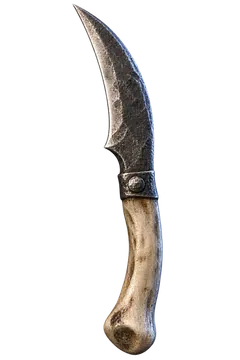
Out in the regions · Herb Knife

Walk the regions and find herbs hidden on squares. Each region holds a fixed count per kind; a picked plant regrows elsewhere in the same region after a timer.

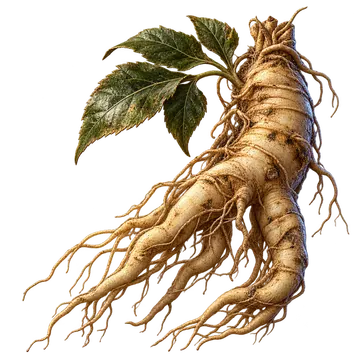
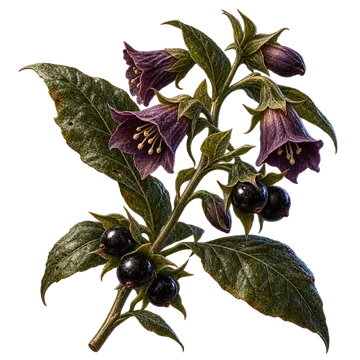
ThistleGinsengNightshade
  • Guild: chance to gather double
  • First come, first served: Perception decides who sees it first
  • Feeds the alchemist and the cook

Mining

Mining IN GAME

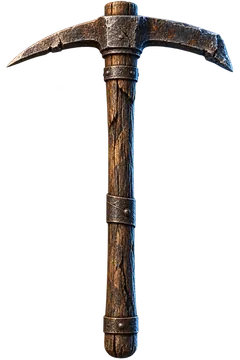
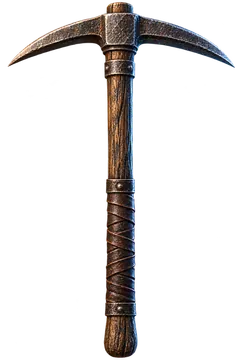
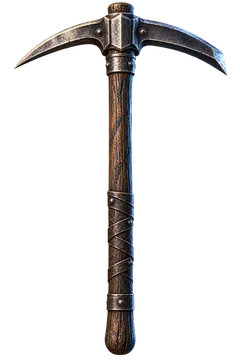
Veins in Mine Mountain · Worn, Iron or Steel Pickaxe

Find a vein, start mining once and the game strikes every tick until carry weight, a broken tool, combat or a step away stops you.

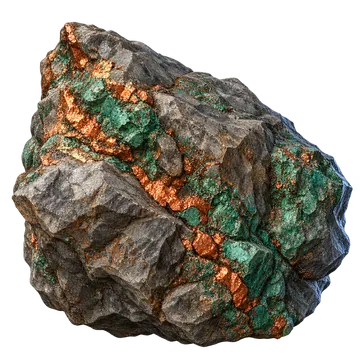
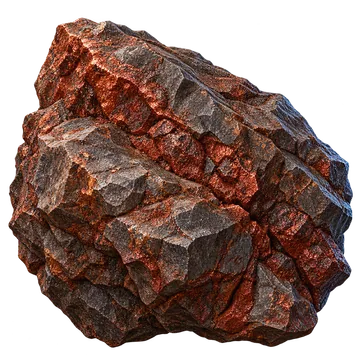
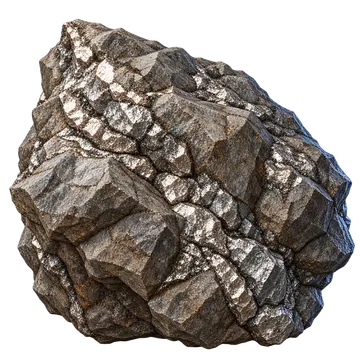
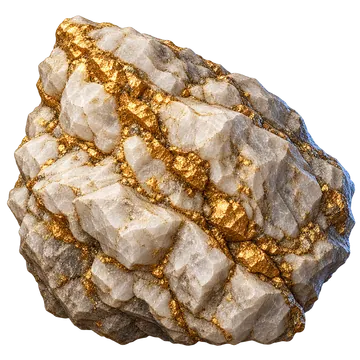
Loose oreCopper, iron, silver nuggets
  • The pickaxe is the biggest lever you control
  • Sealed shafts open when everyone together has struck enough nuggets
  • Dug squares stay dug, so the mine grows
  • Iron and silver lie only in sealed shafts two levels down
  • First breakthrough: about 24 hours of digging with a normal pickaxe, shared by everyone who digs there (placeholder)
  • The Deep Shaft Claim lies sealed until the miners dig through to it; then the first to pay can rent or buy it, while the digging stays free
Smelting

Smelting IN GAME

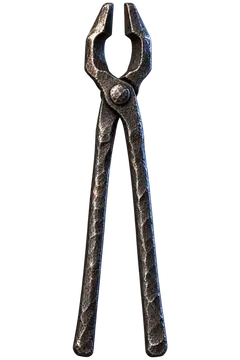
Furnace · Smelting Tongs

Turn a nugget, or ten loose ore, into an ingot. Three copper ingots can be refined in an attempt at a higher quality. It is expensive, and not guaranteed.

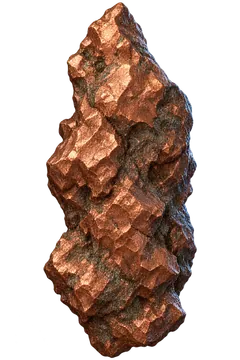
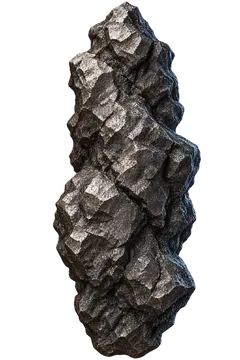
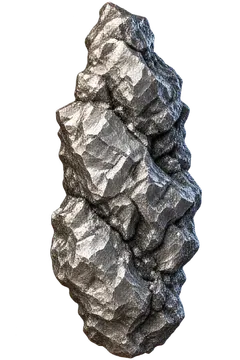
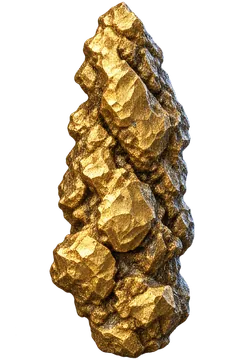
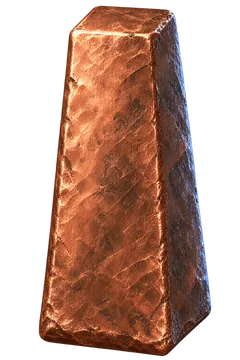
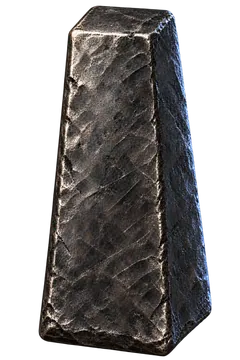
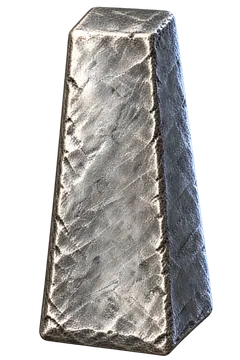
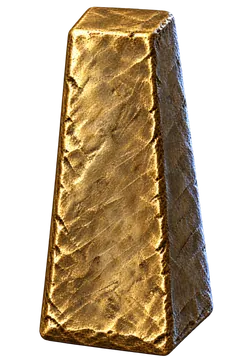
Copper ingotIron ingotSilver ingotGold ingot
  • Floor: guild levels + nugget quality
  • Two customers: smith and jeweller
  • Recycling metal gear back to ore is decided, not built
Smithing

Smithing IN GAME

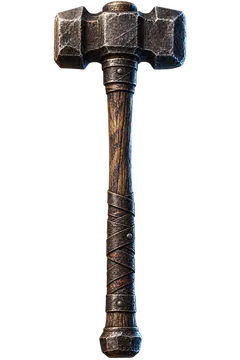
Anvil · Smith’s Hammer

Forge ingots into weapons, armour and tools, and repair gear. The more skilled the smith, the less it wears.

Copper swordIron swordIron helmetIron pickaxe
  • Every piece carries “Forged by …”
  • Repair loss shrinks with skill (about a hundredfold between NPC and master)
  • Closes the circle: the smith forges the miner’s pickaxe
Jewelling

Jewelling IN GAME

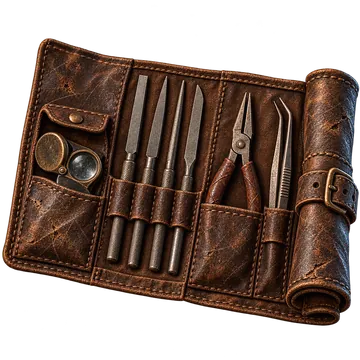
Workbench · Jeweller’s Tools

Make rings and amulets along three axes: metal, design and stones. Repair jewellery.

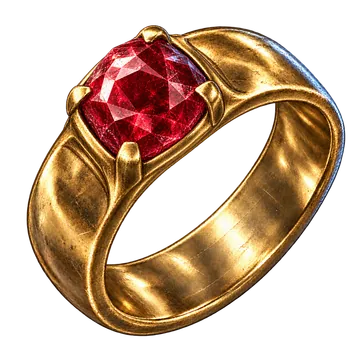
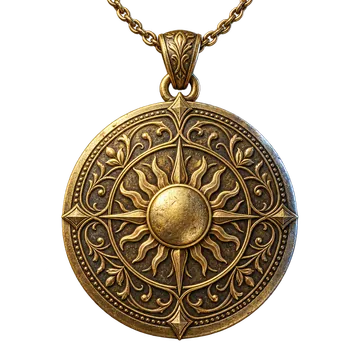
Copper ringSilver ringGold ringDragon ring of goldGold amuletGold ring with ruby
  • Gems come only from bosses and are never mined
  • Hundreds of stone-less designs intended
Alchemy

Alchemy IN GAME

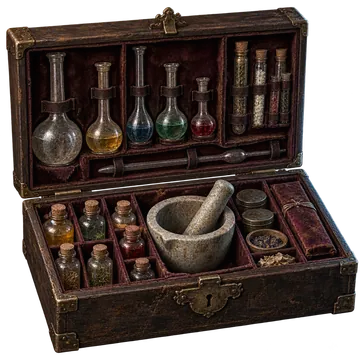
Laboratory · Alchemist Kit

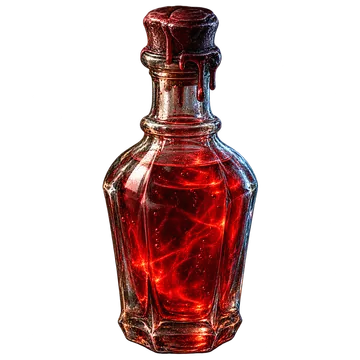
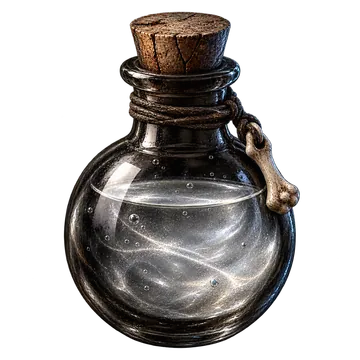
Brew herbs into potions. Quality multiplies both effect and duration.

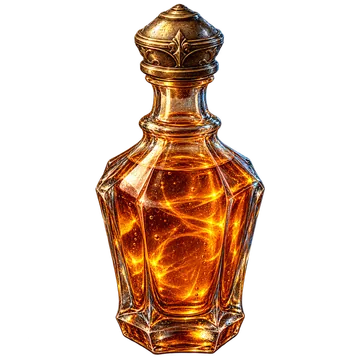
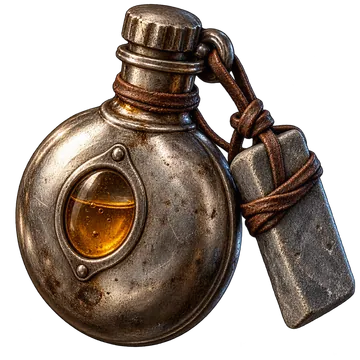
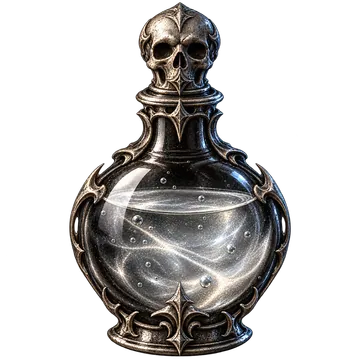
Weak Healing DraughtHealing DraughtMana DraughtVigor ElixirWhetstone OilWeak Death WardStrong Death Ward
  • Death Ward: chance to keep each worn piece at death (max 50 %)
  • Boosters work against monsters only, never in PvP
Cooking

Cooking IN GAME

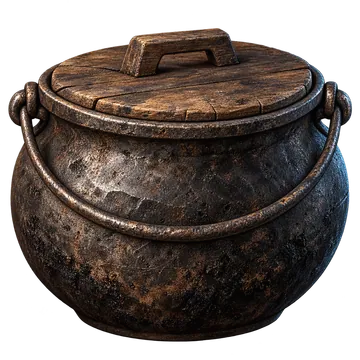
Hearth · Cooking Pot

Cook herbs into dishes that give lasting buffs rather than healing.

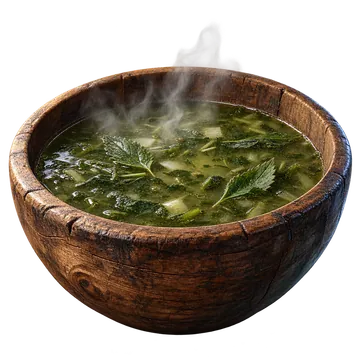
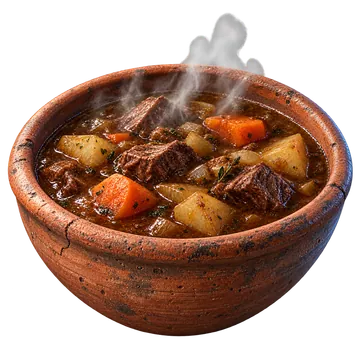
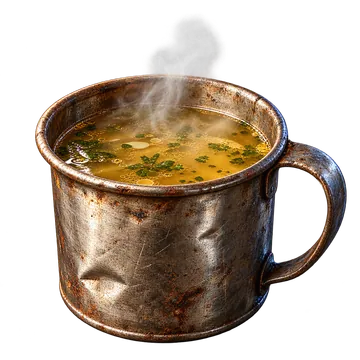
Herb SoupHunter’s StewTraveler’s Broth
  • Different effects stack; the same effect renews
  • Meat and fish await professions not yet built
Enchanting

Enchanting IN GAME

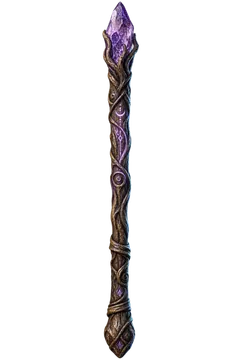
Enchanting Bench · Enchanter’s Wand

Extract essences from gear, combine four into one of the next level, and bind them into equipment. Lay charge-based buffs on weapons, armour and hammers.

Essence of VigorKeen EdgeSmith’s Blessing
  • Essence comes from monster drops only
  • Bound essence weakens as durability falls; repair restores it
  • Buffs count fights or repairs, never the clock

Chains

A sword with history

One player mined the ore, another smelted it, a third forged it. Each step lifted the next one’s floor, and the smith’s name stays on the blade.

  • IN GAMEHerb chain

    Region stock → herbalist → alchemist or cook → healing, mana, buffs, food.
  • IN GAMEOre chain

    Vein → miner → nugget or loose ore → smelter → ingot → smith or jeweller.

  • IN GAMERuby ring

    Gold ingot + the ruby the Wolf Matriarch drops → jeweller → gold ring with ruby. Built, but no vein yields gold yet.

  • IN GAMEEssence chain

    Monster drops → extraction → combine four into one → binding into gear.

  • IN GAMEThe circle

    The smith forges the pickaxe the miner uses to dig the ore the smith needs.

  • DECIDEDRecycling

    Metal gear melted back to loose ore at the smelter.
Planned

More hands to come

The profession list is open-ended. Which ones, and in what form, is still being worked out.

  • DECIDEDTrader

    Price differences between cities; better information with level.

  • DECIDEDHunter

    Decided to exist; its tools belong to dispositions and PvP. What it does is open.

  • DECIDEDFarmer

    Grow food and herbs. Form open: workers, by hand, plots or a mix.

  • DECIDEDStone chain

    Miner → smith or builder. Stone tools, weapons and building, no smelter step.

  • DRAFTFisher

    A gatherer with its own loop; fish feed the cook. You fish from a coast or a beach. There will be no water squares.

  • DRAFTWoodcutter

    Timber for builders, clan forts, weapons and shields.

  • IDEABuilder

    A profession of its own, or a function of the plot system?

  • IDEASleight of Hand

    Pickpocketing: profession, PvP ability, or neither?

  • IDEAMeat gatherer

    Who brings meat to the cook: hunter or monster drop?

Decided or drafted, not built

  • DRAFTGuild purchase 5

    A mastery: shorter craft time, longer duration or more yield, in percent.

  • DRAFTGuild purchase 6

    The trade’s signature: what makes a grandmaster someone the world talks about.

  • DECIDEDLeaderboards

    One per profession, showing who is most experienced.

  • DECIDEDShields and stone

    The smith is to make shields, even wooden ones, and stone tools and weapons once stone exists.

  • DECIDEDCatalysts

    An alchemist’s booster for magic damage, waiting for something that uses it.

  • DECIDEDItems bound to you

    Beside the key to your room, more soulbound items are to exist, and most of them will have durability and wear down like everything else. Which ones is not decided.

  • DECIDEDCorpse-teleport potion

    Brings your dead body to you. It is meant to be one of the most expensive potions in the game.

Items

63 item types

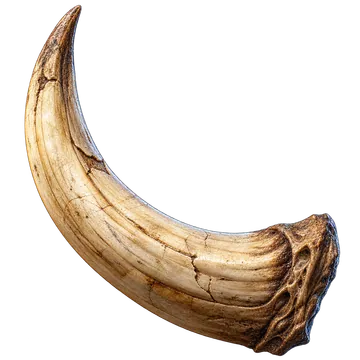
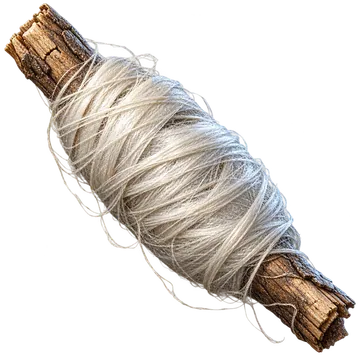
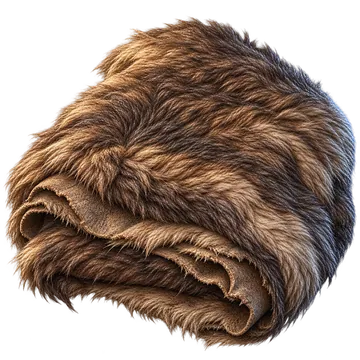
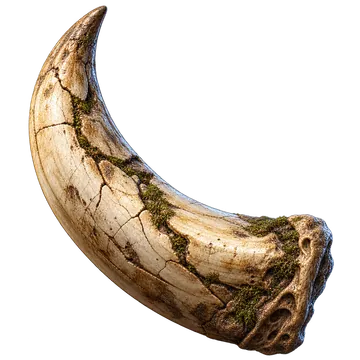
Every item type has a placeholder image today, except the two newest: the Sealed letter and the Key. The list itself is placeholder content.

Weapons, armour & jewellery

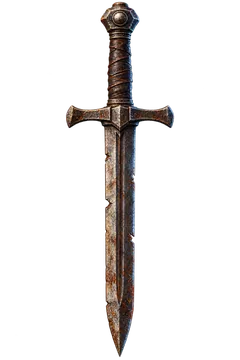
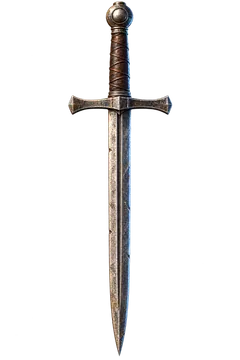
Rusty Shortsword
Rusty Shortsword
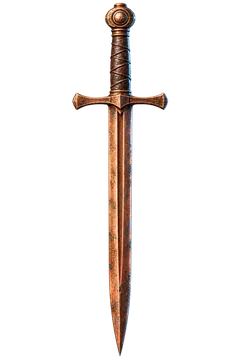
Copper sword
Copper sword
Iron sword
Iron sword
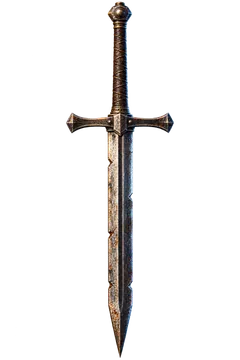
Old Greatsword
Old Greatsword
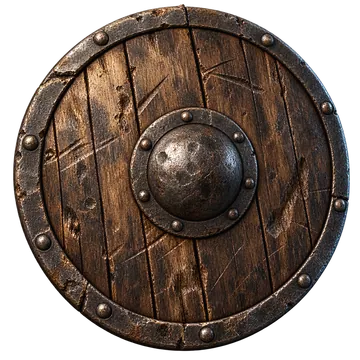
Wooden Shield
Wooden Shield
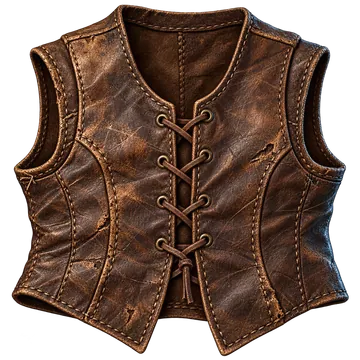
Leather Vest
Leather Vest
Iron helmet
Iron helmet
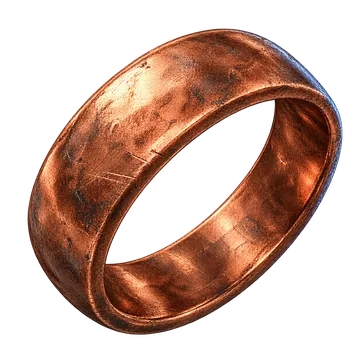
Copper ring
Copper ring
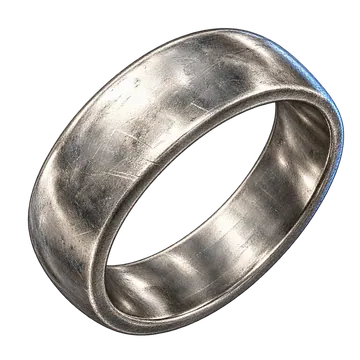
Silver ring
Silver ring
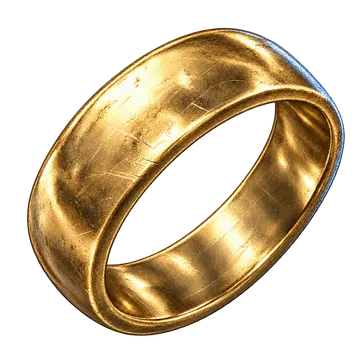
Gold ring
Gold ring
Dragon ring of gold
Dragon ring of gold
Gold ring with ruby
Gold ring with ruby
Gold amulet
Gold amulet

Tools

Worn Pickaxe
Worn Pickaxe
Iron Pickaxe
Iron Pickaxe
Steel Pickaxe
Steel Pickaxe
Herb Knife
Herb Knife
Smelting Tongs
Smelting Tongs
Smith’s Hammer
Smith’s Hammer
Jeweller’s Tools
Jeweller’s Tools
Alchemist Kit
Alchemist Kit
Cooking Pot
Cooking Pot
Enchanter’s Wand
Enchanter’s Wand

Potions & food

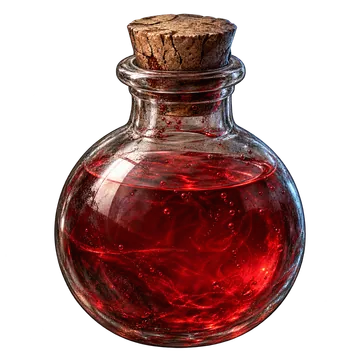
Small Healing Potion
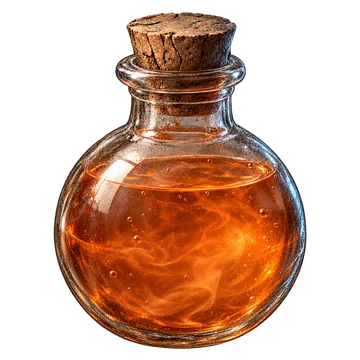
Minor Vigor Potion
Minor Vigor Potion
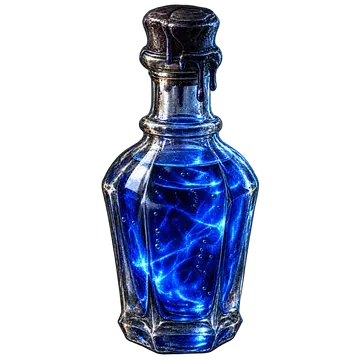
Small Mana Potion
Small Mana Potion
Weak Healing Draught
Healing Draught
Healing Draught
Mana Draught
Mana Draught
Vigor Elixir
Vigor Elixir
Whetstone Oil
Whetstone Oil
Weak Death Ward
Weak Death Ward
Strong Death Ward
Strong Death Ward
Herb Soup
Herb Soup
Hunter’s Stew
Hunter’s Stew
Traveler’s Broth
Traveler’s Broth

Herbs, ore, metal & gems

Thistle
Thistle
Ginseng
Ginseng
Nightshade
Nightshade
Copper Ore
Copper Ore
Iron Ore
Iron Ore
Silver Ore
Silver Ore
Gold Ore
Gold Ore
Copper Nugget
Copper Nugget
Iron Nugget
Iron Nugget
Silver Nugget
Silver Nugget
Gold Nugget
Gold Nugget
Copper Ingot
Copper Ingot
Iron Ingot
Iron Ingot
Silver Ingot
Silver Ingot
Gold Ingot
Gold Ingot
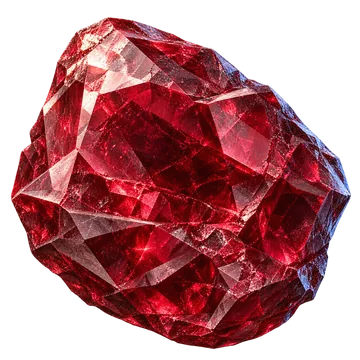
Ruby
Ruby
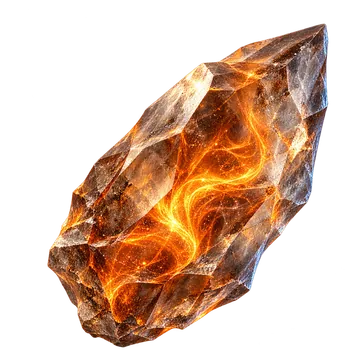
Essence of Vigor
Essence of Vigor

Monster remains

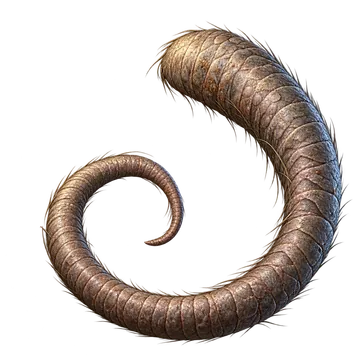
Rat Tail
Rat Tail
Wolf Pelt
Wolf Pelt
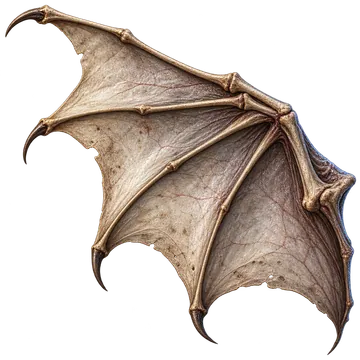
Bat Wing
Bat Wing
Boar Tusk
Boar Tusk
Spider Silk
Spider Silk
Bear Pelt
Bear Pelt
Troll Tooth
Troll Tooth
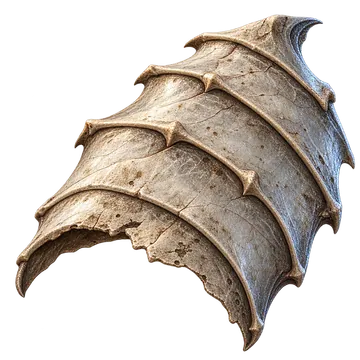
Crawler Shell
Crawler Shell

Quest items & keys

Sealed letter
Key

17 equipment slots

SlotBuilt items
HeadIron helmet
Face
BodyLeather Vest
Cloak
Hands
Wrist
Belt
Legs
Feet
Main handSwords, greatsword
Off handWooden Shield
ToolPickaxes, knife, tongs, hammer, kits, wand
Quiver
Backpack
RingFive rings
RingFive rings
AmuletGold amulet

IN GAME In the game the slots are boxes on a figure in the bag window (helmet on the head, a ring at each hand), with tool, quiver and backpack beside it. Drag an item to its box, or double-click it in the bag and it goes to the first free slot it fits.

Wear, ownership & trade

Nothing is destroyed by wear. Nothing lasts forever.

  • Durability 0 means broken and unusable until repaired, never destroyed. Every repair costs at least one point of maximum durability. IN GAME
  • NPC repair loses about 10 % of the cap; a master smith with an enchanted hammer loses a hundredth of that (guide values). IN GAME
  • Ownership does not exist. The game knows where an item is, never whose. Selling, trading, dropping and dying are the same operation. IN GAME
  • The one item that never leaves you is the key to a room you rent or buy. It is soulbound: it cannot be dropped, sold, traded or stored, never lies in your corpse, has no durability, and vanishes when the room is no longer yours. IN GAME
  • Bag and vault are grids: every item has a size. Carry weight is a second limit. IN GAME
  • A rented or bought room in The Lodging House is private storage: a grid like the vault, behind a door only you and your companions can pass. When the rent runs out or you give the room up, everything in it lands on the floor. IN GAME
  • A player’s repair uses the item’s own material: iron mends iron. The NPC takes gold instead, at the worst loss. IN GAME
  • The trade that makes it repairs it: smiths mend weapons, armour and metal tools; jewellers mend rings and amulets. IN GAME
  • Repair is instant and never changes quality. It opens a trade-like window where the price can be set to zero. IN GAME
  • NPC shops and quest rewards are the floor, capped at quality 0.5. Everything above scrap is player-made. IN GAME
  • What you sell lands on a second-hand tab for 24 hours. Buy it back after a misclick. IN GAME
  • A quest item, such as the Sealed letter, is an ordinary item: it can be dropped, traded and lost in your corpse, but no shop buys it. IN GAME
  • Player trade on the same square: both accept, all or nothing, atomic. IN GAME
  • A bought room can go into a player trade: the buyer gets the room, what lies in it and a new key. A rented room cannot be sold on. IN GAME
  • Banked gold and vaulted items never follow you into death. IN GAME
  • NPC wares have a stock everyone shares: you see how many are left, never when it refills. IN GAME
  • Bought gear has no maker’s mark: a shop iron pickaxe mines at half the power of a normal player-forged one. IN GAME
  • Any change to an offer resets both acceptances. Combat, moving away or disconnecting cancels the trade. IN GAME
  • City prices driven by real consumption, a trader profession, player shops, a limited auction house. DECIDED
  • Never pay-for-power. If monetisation ever switches on: cosmetics and convenience only. DECIDED